Puzzle of Practice
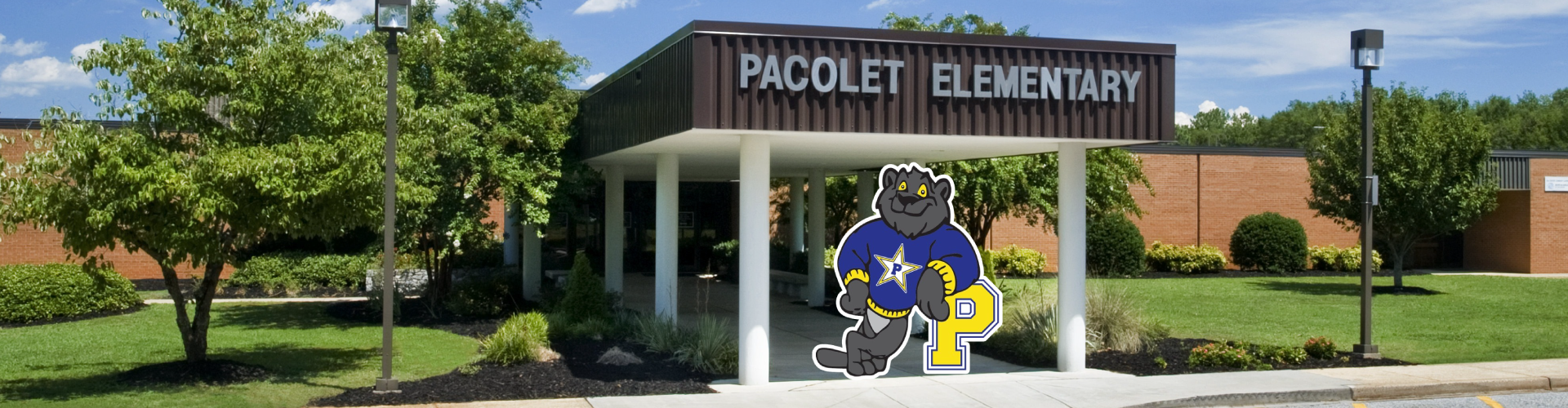
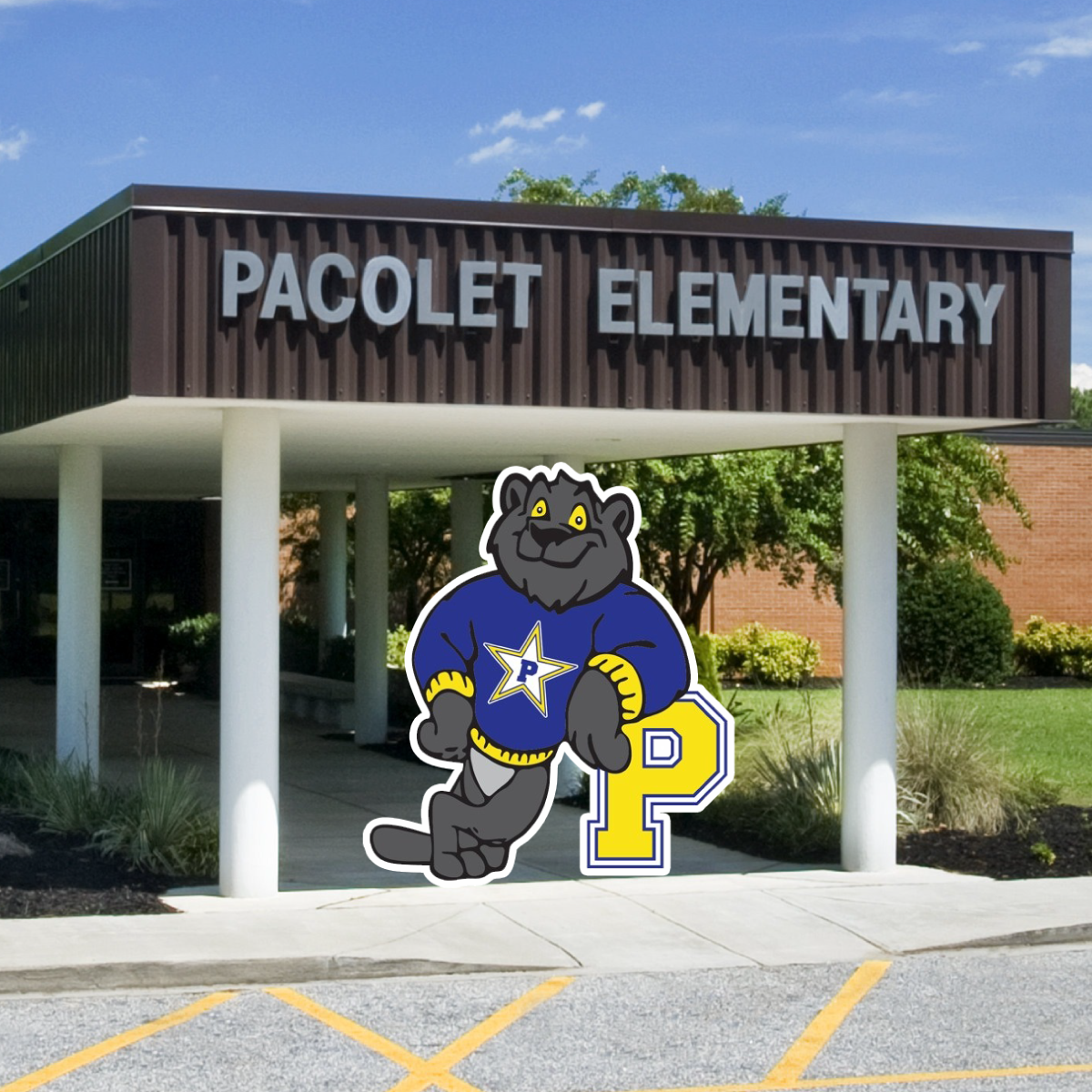
Pacolet Elementary in Spartanburg District 3, South Carolina, is centered around the idea of “Small Town, Big Pride”. They may not have access to some of the resources other schools do, but they set high expectations for themselves and others. Walking the halls, you will see and hear examples that match the posters throughout the school calling for “Panther Pride.”
The 440 students they serve are at the heart of every decision they make. With this in mind, they are eager to share that their status as a Title 1 school does not define them, but is one small piece of who they are as they set and tackle meaningful, ambitious goals together.
Pacolet’s teachers have a growth mindset and have not been satisfied with their existing results, and believe students could achieve at higher levels. After a series of reflective conversations, the school identified the concept of teacher and learning clarity as both a problem and a solution. Teachers agreed that every student should be able to answer three essential questions during learning:
- What are we learning?
- Why are we learning it?
- How will we know when we have learned it?
While teachers were already implementing strong instruction, the instructional leadership team recognized that learning would be even more powerful when students had a clearer understanding of the standards they were learning through student-friendly learning intentions and success criteria.
Collective Goal
The goal was simple, but not easy: increase students’ growth and performance on statewide, district-wide, and classroom-based assessments.
Diagnostic Assessment
Across the school the expectation is that 100% of students meet expected growth and that 80% of students performing below grade level will meet their stretch growth on their diagnostic assessment. They also set the bar for 90% of students to be on grade level by the spring diagnostic assessment.
State-Wide Assessment
For the end-of-grade tests, Pacolet set goals to increase achievement ELA 72.6% to 80% Math 67.4% to 75%
Underneath this larger goal were two supporting goals:
- strengthen the PLC process to ensure teachers have the deepest understanding of where students are in the learning progression
- strengthen classroom clarity so that students share in that understanding.
Collective Action
Building on the success of a 3rd-grade pilot from the 2024-2025 school year, where students became more confident in discussing their thinking and identifying what successful work looked like, Pacolet expanded this work across additional grade levels this year.
This year, all teachers began co-constructing success criteria with students. They first observed and debriefed examples from Amplify Learner Voice through Culturally Responsive and Sustaining Assessment to inform their approach. Instead of presenting a rubric, teachers used processes that invited students to examine examples and non-examples, identify patterns of quality, and refine criteria collaboratively. This approach helps students better understand expectations while strengthening their ability to monitor their own progress. During walkthroughs, observations, and collaborative teaching, visitors are asking:
- What are you learning?
- Why are you learning it?
- How will you know when you have learned it?
Grade-level teams analyzed classroom video examples of self- and peer assessment to see how students can use success criteria to evaluate their work and identify next steps for improvement. Based on their analysis of these videos, they developed practical tools, including examples and nonexamples of student work, stoplight rubrics for writing and problem solving, and feedback structure checklists to support peer assessment. Now, many students are able to provide meaningful feedback and support themselves and their peers in revising their work and improving over time.
Collective Impact
Through this work, teachers have developed a stronger shared understanding of their standards and how co-constructing success criteria in particular supports the formative assessment process. Students are increasingly able to describe what they are learning and why, recognize what successful work looks like, and reflect on their progress. The children are using student-friendly criteria and simple feedback structures to provide feedback to themselves and their peers.
Teachers have also strengthened collaboration through the use of clear, purposeful protocols for examining examples of student thinking together, refining criteria, and discussing how feedback can guide next instructional steps. The work is helping create a more consistent learning experience across classrooms while reinforcing the school’s belief that all students can succeed when expectations and feedback are clear.

In the end, it all comes down to the numbers. We’re excited to add more data soon, but our pilot grade level already has a lot to celebrate:
3rd Grade
- Spring to Spring Diagnostic Assessment Shift
- ELA grew from 65% to 82%
- Math grew from 58% to 78%
- End of Grade Assessment
- ELA – 82% on or above grade level
- Math – 84% on or above grade level
Call to Action
Ready to improve clarity, deepen collaboration, or tackle other puzzles of practice in your school? Reach out to Sarah Stevens, Director of Quality Implementation at The Core Collaborative, to partner with our team.