Puzzle of Practice
They evaluate you anyway; they just had a clipboard this time!
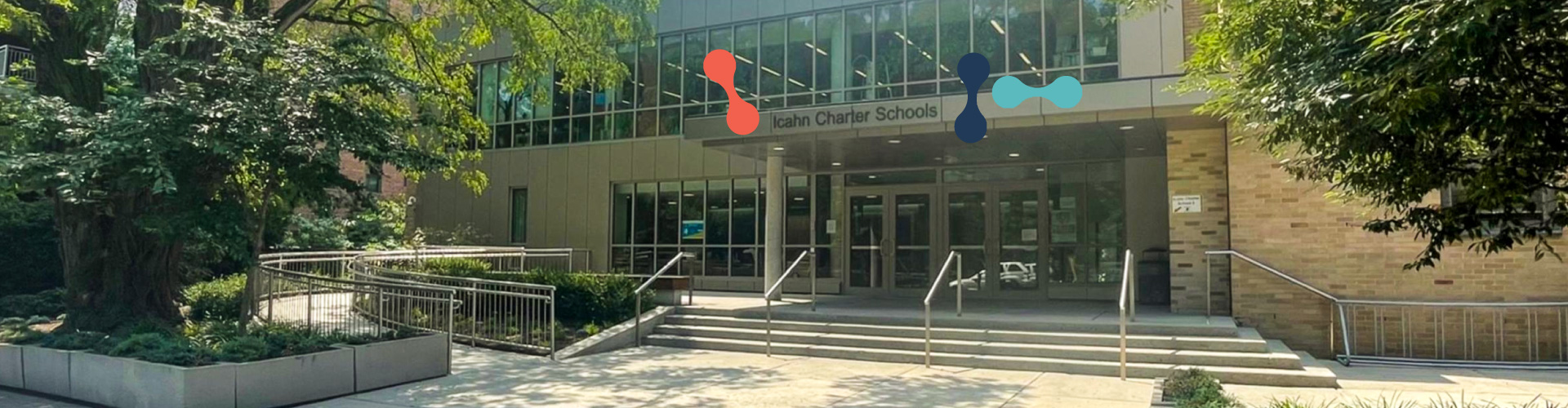
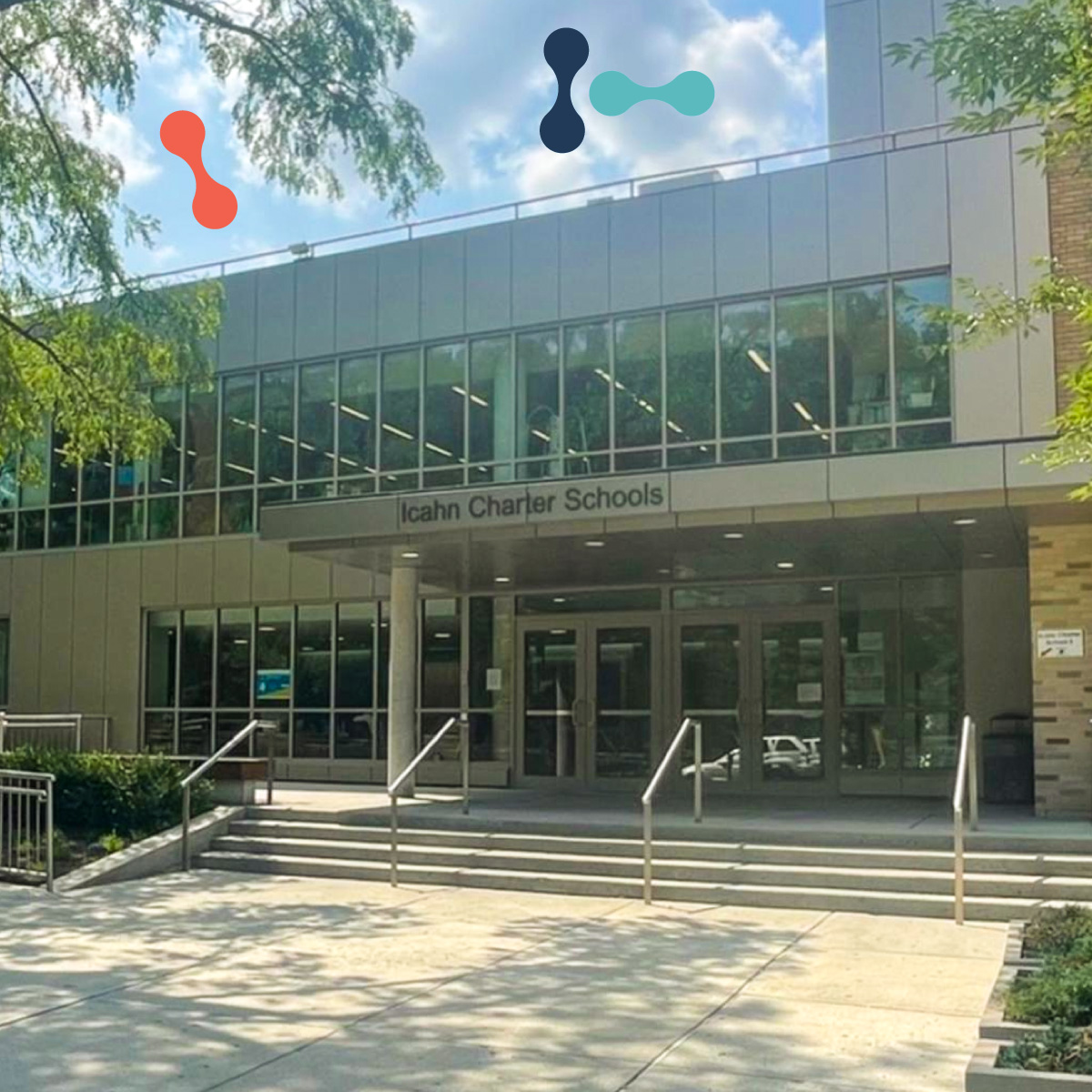
It was a great day at the Icahn Charter School 4 in the Bronx, New York.
Ten students walked into the principal’s conference room feeling nervous and excited. Two hours later, they walked out proud, confident, and heard. Four teachers opened their classrooms to student observers and left feeling endorsed, energized, and empowered.
It was my first time conducting Student-Led Instructional Rounds as a guest in an unfamiliar school. While I wasn’t sure what to expect, the experience proved just as energizing, and the results just as rewarding, as the rounds I’ve facilitated in the comfort of my own school.
Collective Goal
Preparing for the Rounds
Prior to the Rounds Day, I met with the principal and assistant principal to review protocols and logistics, including selecting students, creating a classroom visitation schedule, and arranging coverage so teachers could fully participate in the debrief session.
We decided the focus of our visit would be instructional practice, specifically examining questioning and discussion, student engagement, and the use of assessment during instruction. We selected a group of students from grades 5 through 8 and planned visits to vertical classrooms—1st grade, 4th grade, 5th grade, and 7th grade—so students could observe learning across developmental levels.
Collective Action
Setting the Tone: Learning From Students
On the morning of the rounds, I began our initial meeting by telling students something simple but powerful: we were there to learn from them.
I explained that we would be observing the heart of teaching and learning, how questioning and discussion was used, how students engaged with the work, and how teachers used assessment to guide instruction. I asked students to reflect on what helps them learn best.
Their responses were thoughtful and affirming. Students shared that engagement with content – especially talking with classmates, asking questions, and answering them, helps them stay focused and truly understand new ideas. They emphasized the importance of choice in learning and expressed appreciation for teachers who are clear and descriptive in their instruction.
What made the moment even more exciting was this: every one of these best practices was visible in the classrooms we visited.
Collective Impact
Highlights From the Day
The Student-Led Instructional Rounds were filled with moments that underscored just how capable students are when given authentic responsibility.
- Students used high-level language with ease when talking about teaching and learning.
- They quickly became comfortable taking low-inference observation notes, capturing meaningful classroom interactions.
- During the debrief, students were articulate, descriptive, and genuinely excited to share what they had seen and heard.
- Their appreciation for their teachers was clear, creating a safe and respectful space for feedback.
Students demonstrated strong metacognitive skills, seamlessly extending their evidence into analysis during the EAA debrief protocol. Their insights reflected a deep understanding of what effective teaching looks like.
Teachers’ Reflections
The four teachers we visited welcomed fourteen observers into their classrooms and participated openly in the debrief session. They listened carefully, accepted student feedback graciously, and reflected honestly on their practice.
When I asked teachers how the experience felt, Dr. N jokingly finished my sentence: “To be evaluated by students?” Then he added thoughtfully, “They evaluate you anyway; they just had a clipboard this time!”
The energy in the room was undeniable. One teacher shared, “It feels good to know you have an impact on students.” Another said, “It was awesome to see what they can do.”
At the close of the protocol, Ms. B held up several pages of notes she had taken during the student debrief—ideas and insights she planned to use to further align her instruction with how students learn best.
Final Thoughts
Student-Led Instructional Rounds remind us of something essential: students are not passive recipients of learning. They are perceptive observers, thoughtful analysts, and powerful partners in instructional growth.
That day at Icahn Charter School 4 reinforced what happens when we truly center student voice, not as a symbolic gesture, but as a meaningful practice. When we listen, students rise. And when students rise, teachers grow.
It was a great day indeed.
What if students became partners in improving teaching and learning? Student-Led Instructional Rounds help schools move beyond collecting student opinions and toward meaningful student-adult partnership.
Learn how Impact Teams’ Student-Led Instructional Rounds can strengthen student voice, teacher reflection, and instructional practice.