
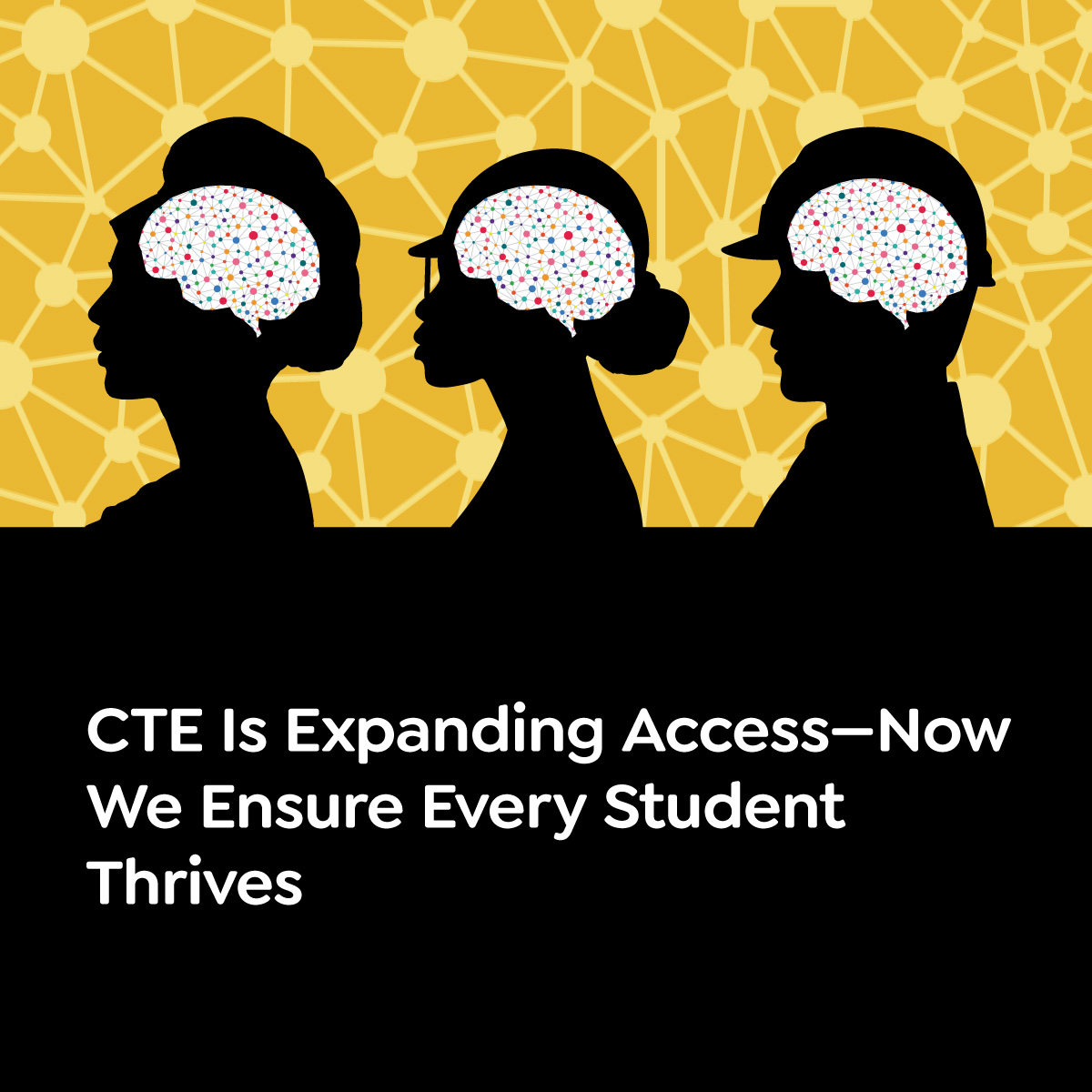
Access to CTE has grown significantly across systems. More students are enrolling in pathways, more programs are aligned to workforce needs, and more schools are prioritizing career-connected learning.
That is real progress.
👉 See how systems are ensuring success—not just access—in CTE.
The Hidden Gap: Metacognitive Clarity
Inside classrooms, a consistent pattern is emerging.
Some students thrive. They navigate tasks, ask questions, and produce strong work. Others participate fully—they complete the same assignments, engage in the same activities—but struggle to meet expectations.
The difference is rarely motivation.
It is Metacognitive Clarity.
Students who succeed tend to have a clearer understanding of what is expected of them. They can recognize quality, interpret feedback, and adjust their work accordingly. Students who struggle are often missing that clarity. They are doing the work without fully understanding how to improve it.
Why This Is an Equity Issue
When expectations and feedback are not explicit, success depends on a student’s ability to “figure it out.”
This creates variability across classrooms and across student groups. Students with prior knowledge or support systems outside of school often navigate this ambiguity more easily. Others are left to guess what success looks like.
Equity in CTE is not just about access to pathways. It is about whether success within those pathways is predictable.
Metacognitive Clarity makes that possible. When goals are visible, criteria are shared, and feedback is actionable, all students have a fair opportunity to succeed.
Designing for Consistent Success
To build this consistency, classrooms must intentionally integrate structures that support Metacognitive Clarity. This includes making learning goals explicit, modeling what quality work looks like, and providing opportunities for students to reflect and revise.
Over time, these practices create a learning environment where expectations are transparent and improvement is expected. Students begin to internalize the process of evaluating their own work and making adjustments.
A Simple Move You Can Try Tomorrow
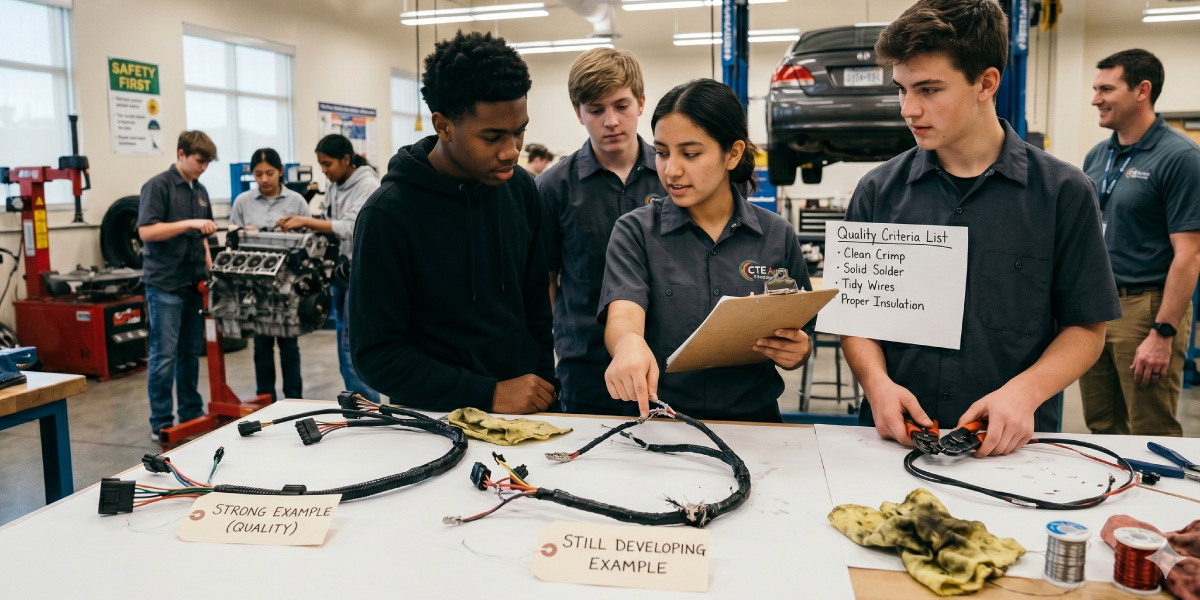
Before starting a task, show students two examples of work—one strong and one still developing.
Ask students to analyze the differences and generate a short list of what “quality” looks like. Then have them use that list as a guide while completing their own work.
This simple move builds Metacognitive Clarity before students begin, reducing confusion and increasing the likelihood of success.
👉 Learn how competency-based systems create consistent success across classrooms.