The Frustration Schools Feel (But Don’t Always Name)
There’s a growing frustration in schools right now—and it doesn’t always show up in the data.
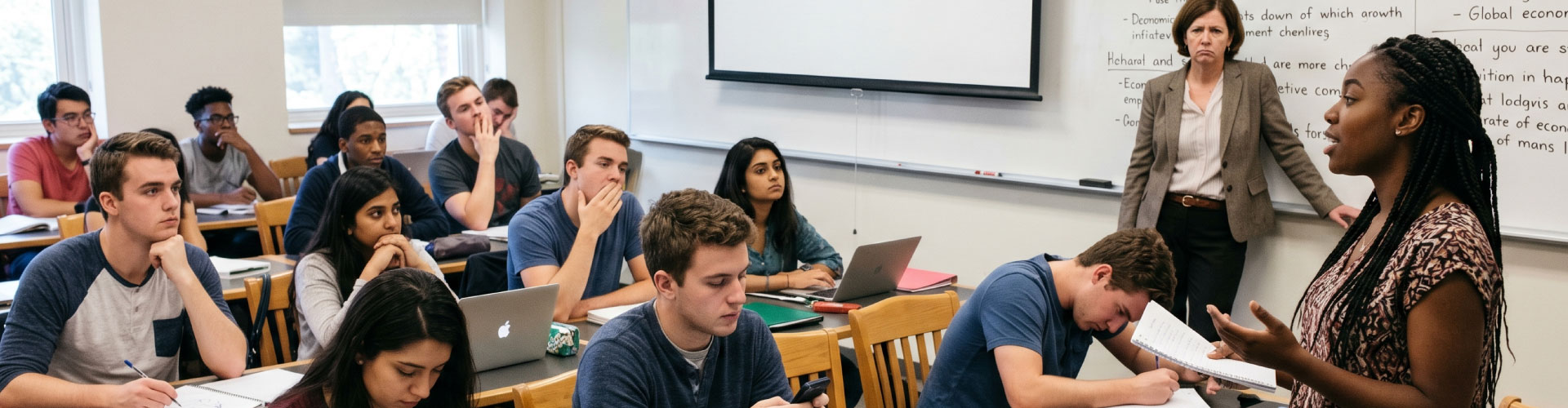
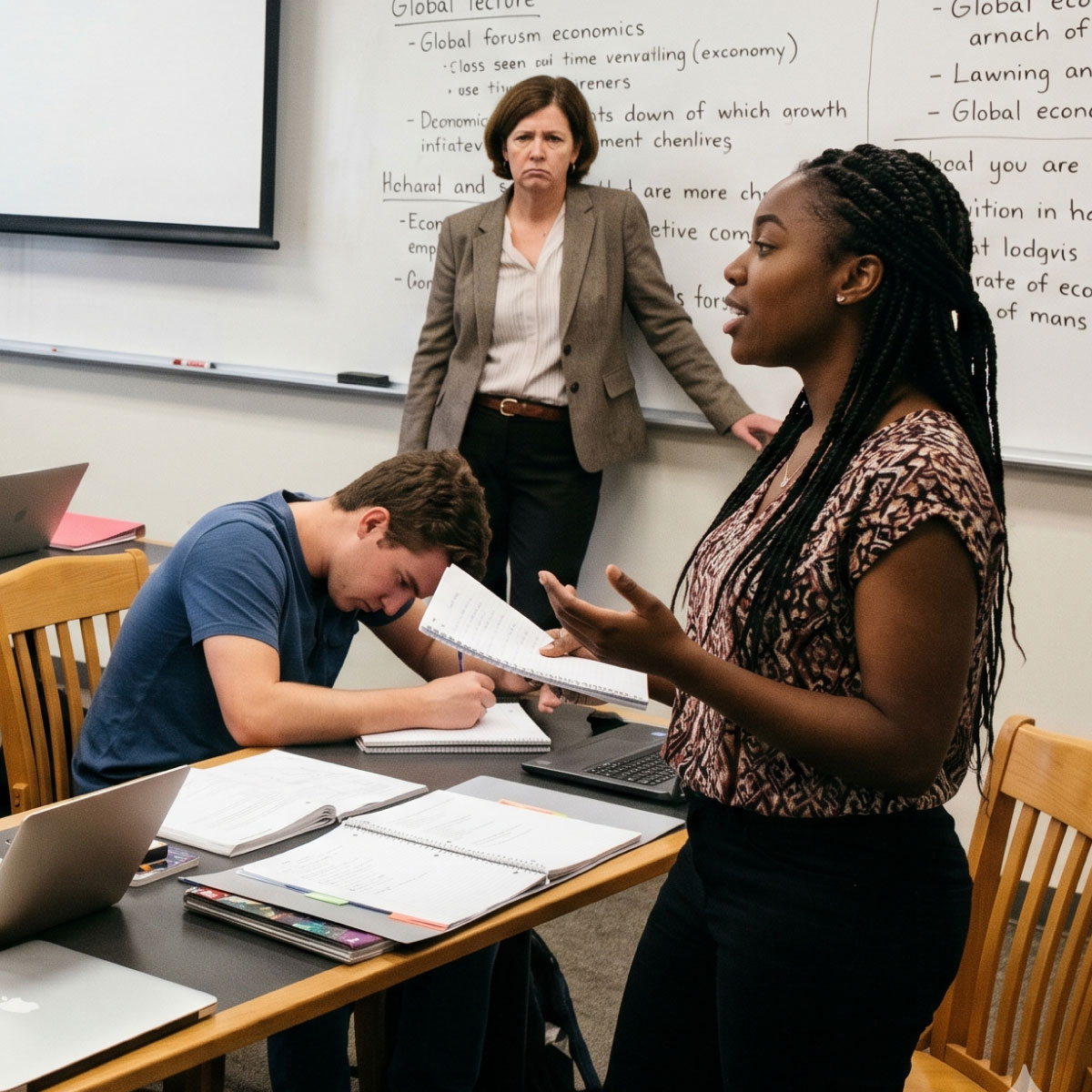
In leadership meetings, it sounds like this: “We asked them… we really did… but nothing moved.” In classrooms, it looks like polite participation without real investment. Students complete the survey. They attend the forum. They offer an answer.
And then… the system moves on. Student voice is present.
Impact is not.
From a learning science perspective, that gap matters. When learners don’t see a connection between their input and outcomes, their sense of agency weakens. And when agency drops, so does effort (Bandura, 2001; Hattie, 2009).
Students are paying attention. And over time, they adapt.
The Real Pain Point
At first, students lean in. They share honestly. They take risks.
But when nothing changes, they recalibrate. They begin to protect their thinking.
You’ll notice it if you look closely:
- Answers become shorter
- Ideas become safer
- Participation becomes procedural
This aligns with research on expectancy-value theory—students invest effort when they believe it will lead somewhere meaningful (Eccles & Wigfield, 2002). When that belief fades, so does cognitive effort.
What looks like disengagement is often a rational response to a system that doesn’t close the loop.
Why This Keeps Happening
Most systems are built for collection—not transformation.
They are good at:
- Gathering input
- Sorting responses
- Reporting findings
But they are not designed to act, iterate, and make learning visible.
Learning science is clear: feedback loops drive learning (Hattie & Timperley, 2007). When learners see how their thinking influences outcomes, they are more likely to persist, revise, and deepen their thinking.
Without that loop, voice becomes a dead end. And students stop investing in dead ends.
What Students Actually Want
Students are not asking for more chances to speak. They are asking for evidence that what they say matters.
This aligns with Self-Determination Theory (Deci & Ryan, 2000), which shows that motivation increases when three conditions are present:
- Autonomy: I have influence
- Competence: I can contribute meaningfully
- Relatedness: I belong here
Students want to:
- Name real challenges
- Work with others to make sense of them
- Build solutions that matter
- See visible impact
When those conditions exist, engagement becomes intrinsic.
Turn Voice Into Action
If your student voice efforts feel stalled, it’s not a student problem—it’s a system problem.
See how YES helps schools turn voice into action.
What Changes When You Get This Right
When voice leads to action, the shift is both emotional and cognitive.
Students begin to:
- Invest more effort because it matters
- Take risks because it’s safe
- Think more deeply because they are connected
This reflects what we know about deep processing—students engage in higher-order thinking when learning is relevant and consequential (Bransford, Brown, & Cocking, 2000).
You hear it in the classroom:
- “Wait—didn’t we talk about this last time?”
- “Can we try that idea we mentioned?”
That’s ownership.

Where YES Changes the Game
YES creates the missing bridge between voice and action. It doesn’t just collect ideas—it structures what happens next.
Through music, movement, and visual arts, students engage multiple cognitive pathways. Research on multi-modal learning shows this increases retention, connection, and meaning-making (Sousa, 2017).
But the real shift is in the process:
Students move from:
- Expression to analysis
- Analysis to collaboration
- Collaboration to action
That progression builds agency. And agency builds engagement.
Quick Tip You Can Use Tomorrow
Start small—but close the loop visibly. After your next student input moment:
- Identify one actionable theme
- Share it back: “We heard you say…”
- Act quickly—even if it’s small
- Name the impact: “This changed because of you”
This reinforces cause-and-effect thinking, which strengthens motivation and ownership over time.
Move Beyond Listening
Ready to move beyond collecting student voice?
Start building a system that turns voice into action with YES!
YES PLEASE