
Disciplinary Thinking, Language, and Deeper Learning
How do I make meaning and communicate my thinking?

Strengthen disciplinary thinking across every classroom.

Accelerate language development without lowering rigor.

Develop analytical thinking through reading, writing, speaking, and reasoning.

Empower every learner to communicate ideas with confidence and clarity.
Deepen Disciplinary Thinking & Learning
Deeper learning happens when learners think, reason, communicate, and make meaning as mathematicians, scientists, readers, writers, historians, artists, and more. Human-Centered MTSS ensures every learner has access to the language, knowledge, practices, and rigorous thinking of each discipline. Learners investigate, solve problems, reason with evidence, explain their thinking, and transfer what they learn to new and meaningful contexts.
Explore the pathways that ensure every learner has the language to think deeply, communicate clearly, and make a meaningful contribution.
Develop confident readers who integrate word recognition, language, knowledge, and self-regulation to make meaning from complex texts.
View PD OptionsDevelop adolescent learners who read, write, reason, and communicate with growing expertise across every content area.
View PD OptionsDevelop learners who reason, model, justify, solve problems, and apply mathematics with growing confidence, agency, and independence.
View PD OptionsDevelop learners who investigate phenomena, model ideas, analyze evidence, construct explanations, and transfer scientific thinking to new problems.
View PD OptionsDevelop learners who analyze sources, consider perspective, construct evidence-based arguments, and use disciplinary knowledge to inform decisions and action.
View PD OptionsEnable multilingual learners to participate in rigorous grade-level learning while building language, confidence, and agency.
View PD OptionsStrengthen discipline-specific teaching while helping learners build deeper knowledge, make thinking visible, and take greater ownership.
View PD OptionsDesign Effective Reading Systems
Advancing the Active View of Reading helps schools build comprehensive reading systems that connect strong Tier 1 instruction with assessment, targeted support, and evidence-based intervention. Word recognition, fluency, language comprehension, knowledge, executive functioning, self-regulation, and metacognition work together as learners construct meaning. Screening, diagnostic assessment, structured intervention, and progress monitoring help educators understand specific learner needs and respond while developing confident readers who see themselves as capable meaning makers.
Educators Will Develop the Capacity To:
- Design comprehensive reading systems grounded in the Active View of Reading.
- Strengthen knowledge, language, word recognition, fluency, and comprehension.
- Use evidence to identify the specific sources of reading difficulty.
- Design coherent Tier 1, Tier 2, and Tier 3 reading support.
- Monitor progress and adjust support while developing confident, capable readers.
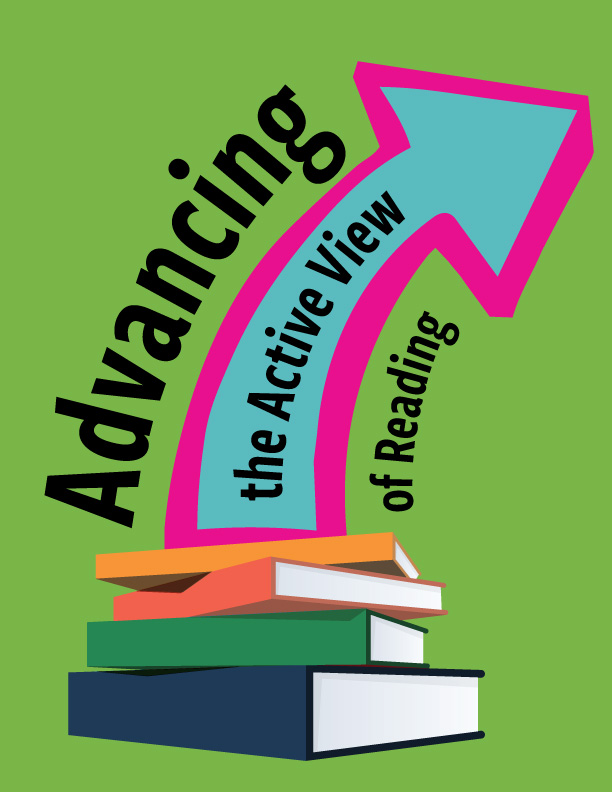
Advancing the Active View of Reading
The Core Collaborative Learning Lab
Build Disciplinary Expertise with Science of Secondary Reading
Science of Secondary Reading helps secondary schools build coherent adolescent literacy systems that strengthen literacy within ELA and across every discipline. Learners build the knowledge, vocabulary, morphology, fluency, comprehension, and disciplinary reading practices needed to understand increasingly complex texts while reading, discussing, and writing from sources. Schools use assessment and diagnostic evidence to identify foundational reading needs and provide structured Tier 2 and Tier 3 intervention while maintaining access to rigorous, grade-level disciplinary learning.
Educators Will Develop the Capacity To:
- Design coherent adolescent literacy systems within ELA and across disciplines.
- Strengthen knowledge, vocabulary, morphology, fluency, comprehension, and disciplinary reading.
- Integrate reading, discussion, evidence, and writing from sources to deepen understanding.
- Identify specific sources of reading difficulty and provide structured, evidence-based intervention.
- Maintain rigorous grade-level learning while developing reading identity, confidence, metacognition, and agency.
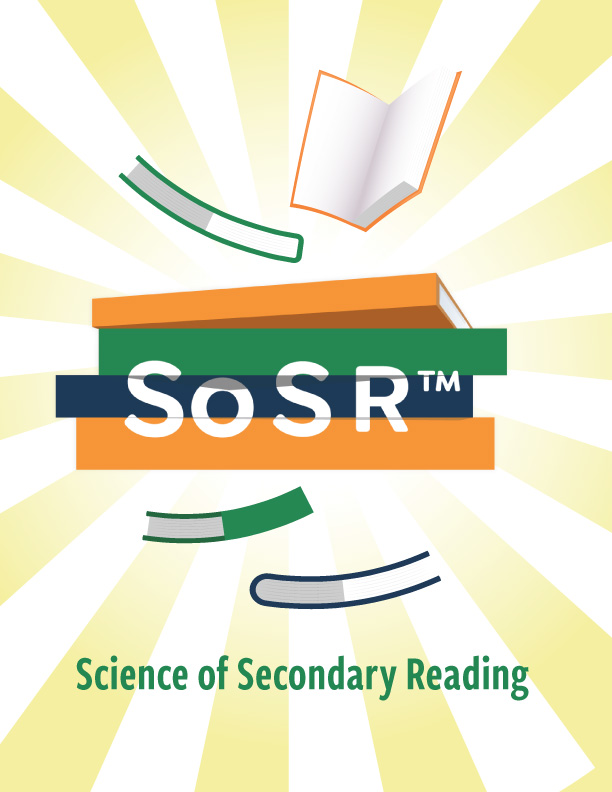
Science of Secondary Reading
Develop Mathematical Thinkers
Building Mathematical Thinking helps educators create rigorous mathematics learning where conceptual understanding, procedural fluency, reasoning, modeling, discourse, and problem solving work together. Through strong Tier 1 instruction and evidence-based Tier 2 and Tier 3 support connected to grade-level mathematics, learners make their thinking visible, strengthen foundational understanding, and develop the confidence, metacognition, identity, and agency to apply mathematics in new situations.
Educators Will Develop the Capacity To:
- Design mathematics learning that develops conceptual understanding, procedural fluency, and mathematical practices.
- Make reasoning, modeling, problem solving, and justification visible.
- Use evidence to identify strengths, misconceptions, and unfinished learning.
- Design coherent Tier 1, Tier 2, and Tier 3 mathematics support.
- Develop mathematical identity, metacognition, confidence, agency, and transfer.
Develop Scientific Thinkers
Building Scientific Thinking helps educators design knowledge-rich science learning where learners investigate phenomena, develop and use models, analyze evidence, construct explanations, and revise their thinking. Through inquiry, scientific discourse, data analysis, reading, writing, and argument from evidence, learners build scientific knowledge while developing the metacognition, identity, and agency to apply scientific thinking to new phenomena and problems.
Educators Will Develop the Capacity To:
- Design knowledge-rich, phenomenon-driven science learning.
- Integrate Science and Engineering Practices into instruction and assessment.
- Strengthen inquiry, modeling, data analysis, and evidence-based reasoning.
- Develop scientific language through purposeful reading, writing, and discourse.
- Develop scientific identity, metacognition, agency, and transfer.
Strengthen Historical and Civic Thinking
Building Historical & Civic Thinking helps educators create rigorous learning where learners investigate meaningful questions, analyze sources, consider perspective and context, evaluate evidence, and construct informed arguments. Through disciplinary inquiry, learners build historical and civic knowledge while developing the judgment, metacognition, and agency to apply their thinking to contemporary questions and informed action.
Educators Will Develop the Capacity To:
- Design inquiry around compelling historical and civic questions.
- Build knowledge through rich primary and secondary sources.
- Develop sourcing, corroboration, contextualization, and perspective taking.
- Strengthen evidence-based reasoning, argumentation, and disciplinary writing.
- Use evidence to provide responsive support without reducing rigor.
- Develop historical and civic identity, judgment, agency, and transfer.
Empower Multilingual Learners with Map-Talk-Write
Using the Map-Talk-Write routine helps educators create language-rich classrooms where multilingual learners strengthen speaking, listening, reading, writing, and collaborative meaning-making while engaging in rigorous grade-level disciplinary learning. Through transferable language and thinking routines, learners develop academic and disciplinary language, reasoning, metacognition, confidence, and agency while receiving responsive support without lowering expectations.
Educators Will Develop the Capacity To:
- Design language-rich learning experiences across every discipline.
- Integrate language development with rigorous grade-level learning.
- Scaffold language without lowering cognitive demand.
- Build academic and disciplinary language through talk, reading, writing, and inquiry.
- Use evidence to respond to language development needs across tiers of support.
- Foster multilingual learner identity, belonging, confidence, and agency.
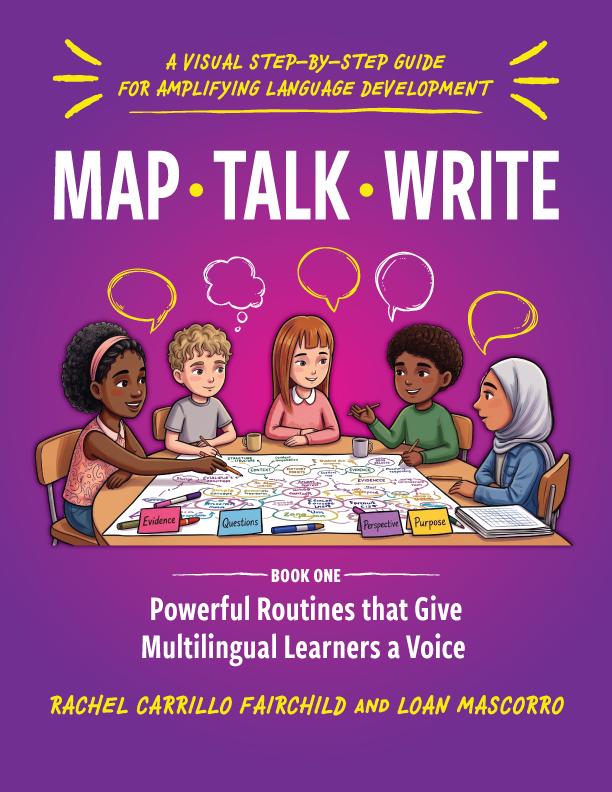
A Visual Step-by-Step Guide for Amplifying Language Development: Map • Talk • Write
Rachel Carrillo Fairchild and Loan Mascorro
Advance Teaching and Build Agency Through Impact Teams
Impact Teams for Disciplinary Learning helps educators continuously study and improve disciplinary learning through personalized, discipline-specific collaborative inquiry and coaching. Teams design learning, examine student work and other evidence, identify strengths and needs, refine Tier 1 instruction, and connect classroom evidence to differentiation, targeted support, and intervention. Through ongoing inquiry cycles, coaching, learning walks, and calibration, educators build collective expertise while learners develop deeper disciplinary knowledge, metacognition, identity, agency, and the capacity to transfer learning.
Educators Will Develop the Capacity To:
- Design rigorous, knowledge-rich disciplinary learning.
- Use evidence of learning to continuously improve Tier 1 instruction.
- Analyze student work collaboratively and determine appropriate instructional responses.
- Connect classroom evidence to differentiation and responsive tiers of support.
- Develop learner metacognition, identity, feedback, reflection, and agency.
- Build collective expertise and shared responsibility for every learner.
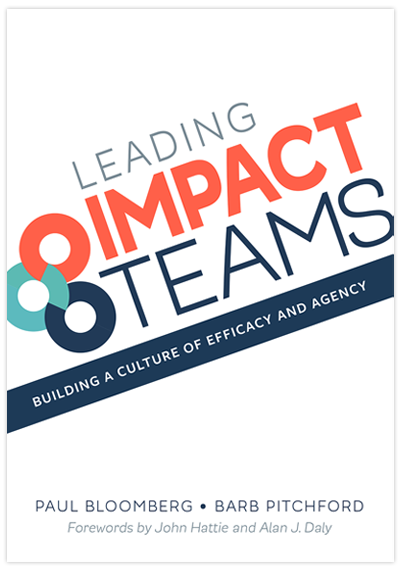
Leading Impact Teams: Building A Culture of Efficacy and Agency
Paul J. Bloomberg Ed.D. and Barb Pitchford
Resources
Complete the form below and we’ll be in touch to create a solution that addresses your needs and achieves your goals in learning spaces.
Prefer to talk on the phone? No problem! You can give us a call at: 619-432-2673
This form is on the "Let's Connect" Section on the Homepage
"*" indicates required fields