
Asset-Based, Rigorous, & Coherent Systems of Support
How do we learn?

Reduce student dependence on intervention.

Design rigorous learning that reaches every learner.

Strengthen instruction across every tier of support.

Develop learners who see themselves as capable and successful.
Explore the pathways that help every learner thrive.
Develop learners who understand their thinking, own their learning, and confidently transfer their knowledge.
View PD OptionsDevelop learners who think deeply, collaborate effectively, and apply their learning in new and meaningful situations.
View PD OptionsHelp learners understand what they know, how they are growing, and what they need to do next.
View PD OptionsHuman-Centered Systems Begin with Great Design
Every learner deserves work that is both challenging and achievable. Human-centered systems do not begin by asking what students cannot do. They begin by intentionally designing learning that makes success possible for every learner. Rather than sorting students by perceived ability, we build coherent systems that make learning visible, provide timely support, and ensure every learner has access to rigorous, meaningful learning experiences. When schools intentionally align curriculum, assessment, instruction, intervention, and acceleration, learners experience greater success, develop stronger agency, and become increasingly confident in their ability to learn.
Design Human-Centered Instruction That Makes Learning Visible, Builds Agency, and Develops Empowered Stewards
Metacognitive Clarity aligns curriculum, instruction, assessment, grading, and feedback so learners understand what they are learning, why it matters, what quality looks like, and how to improve. Through reflection, feedback, revision, and purposeful practice, learners develop confidence, self-awareness, and ownership while learning to direct their growth and contribute to others.
Educators Will Develop the Capacity To:
- Design coherent instructional systems grounded in human-centered learning.
- Align curriculum, instruction, assessment, and grading around ambitious learning goals.
- Develop learning progressions and success criteria that make learning transparent.
- Use formative assessment to provide timely, actionable feedback that moves learning forward.
- Build learners’ metacognitive awareness, emotional intelligence, and self-regulation.
- Foster learner identity, agency, and ownership through reflection, revision, and goal setting.
- Use collaborative inquiry and evidence to continuously improve instruction across all tiers of support.
- Develop classrooms where learners increasingly support one another’s growth, strengthening both personal and collective agency.
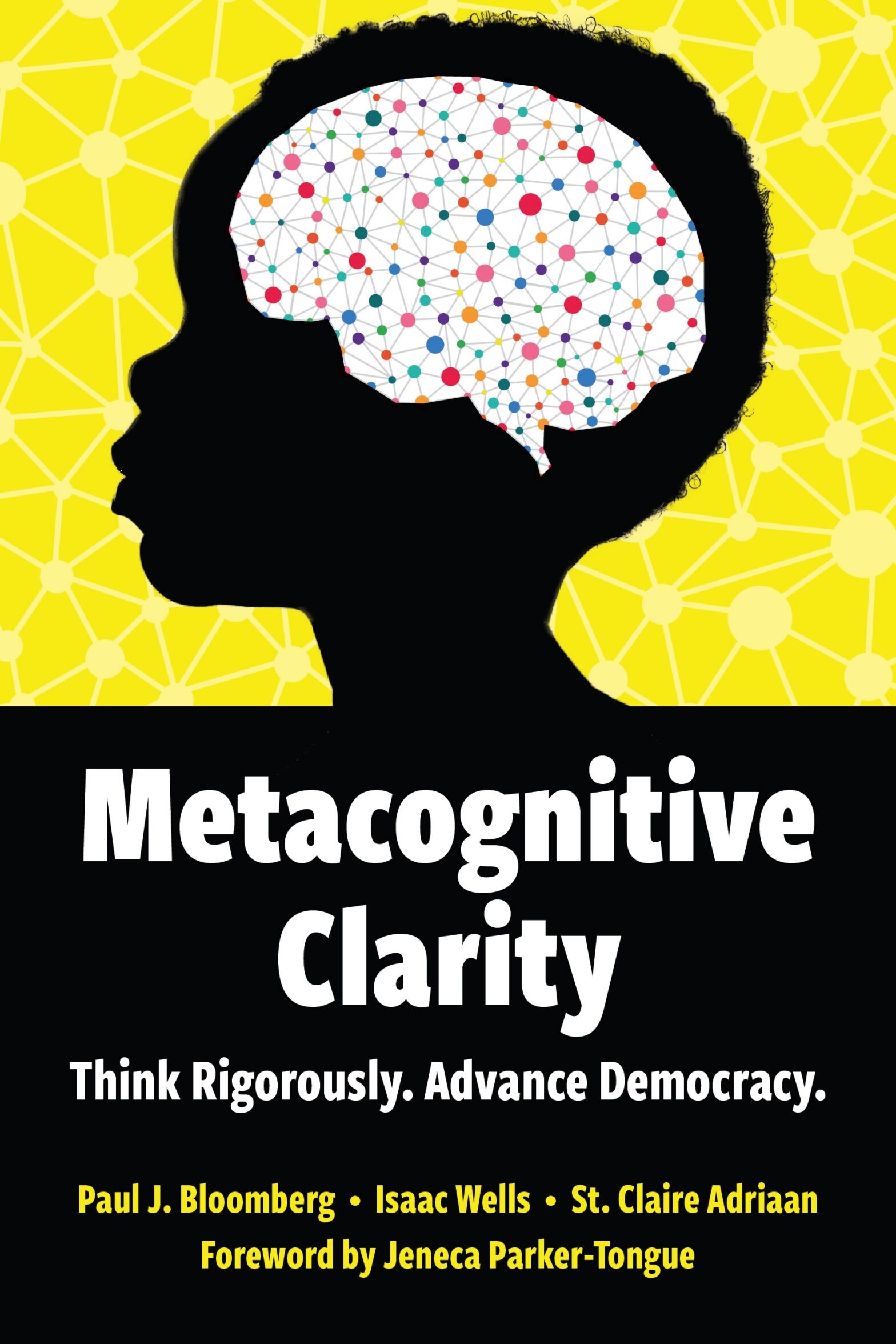
Metacognitive Clarity: Think Rigorously. Advance Democracy.
Paul J Bloomberg, Isaac Wells and St. Claire Adriaan
Transform Daily Instruction Through High-Impact, Transferable Practices That Build Deep Understanding and Learner Agency
Re-Envisioning Rigor helps educators design learning that moves from foundational knowledge to deep understanding and meaningful transfer. Through high-impact routines, academic discourse, inquiry, collaboration, and authentic performance tasks, every learner experiences productive challenge with appropriate support while developing the confidence to think deeply, solve problems, and apply learning in new situations.
Educators Will Develop the Capacity To:
- Design instruction that intentionally moves learners from surface understanding to deep learning and transfer.
- Implement transferable instructional routines across content areas.
- Facilitate rich academic discourse and collaborative learning.
- Design inquiry experiences that promote curiosity and critical thinking.
- Use performance tasks to assess understanding and authentic application.
- Differentiate productive challenge while maintaining high expectations for every learner.
- Foster learner ownership through reflection, discourse, and authentic problem solving.
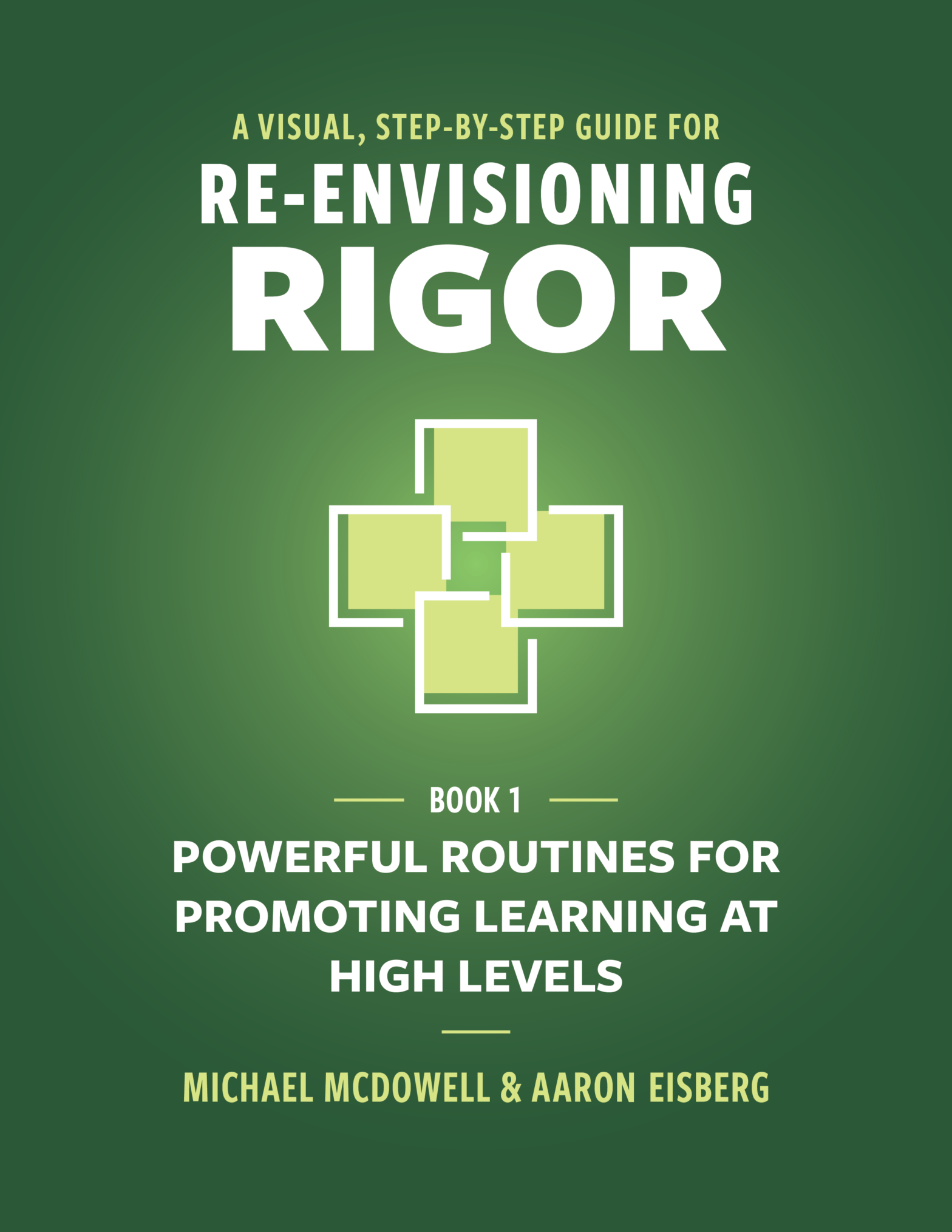
Re-Envisioning Rigor: Powerful Routines for Promoting Learning at High Levels
Michael McDowell and Aaron Eisberg
Shape Learning and Communicate Growth
Grading for the Future helps schools use grading as a tool for learning rather than ranking or sorting students. By aligning grading with curriculum, assessment, feedback, revision, and reassessment, schools communicate what learners know, how they are growing, and what they need to do next. These equitable practices strengthen trust, motivation, and learner ownership.
Educators Will Develop the Capacity To:
- Align grading practices with competency-based learning.
- Clearly define competencies, proficiency levels, and success criteria.
- Increase consistency and equity across classrooms and schools.
- Use assessment and feedback to promote continuous growth.
- Build grading systems that communicate learning with clarity, accuracy, and purpose.
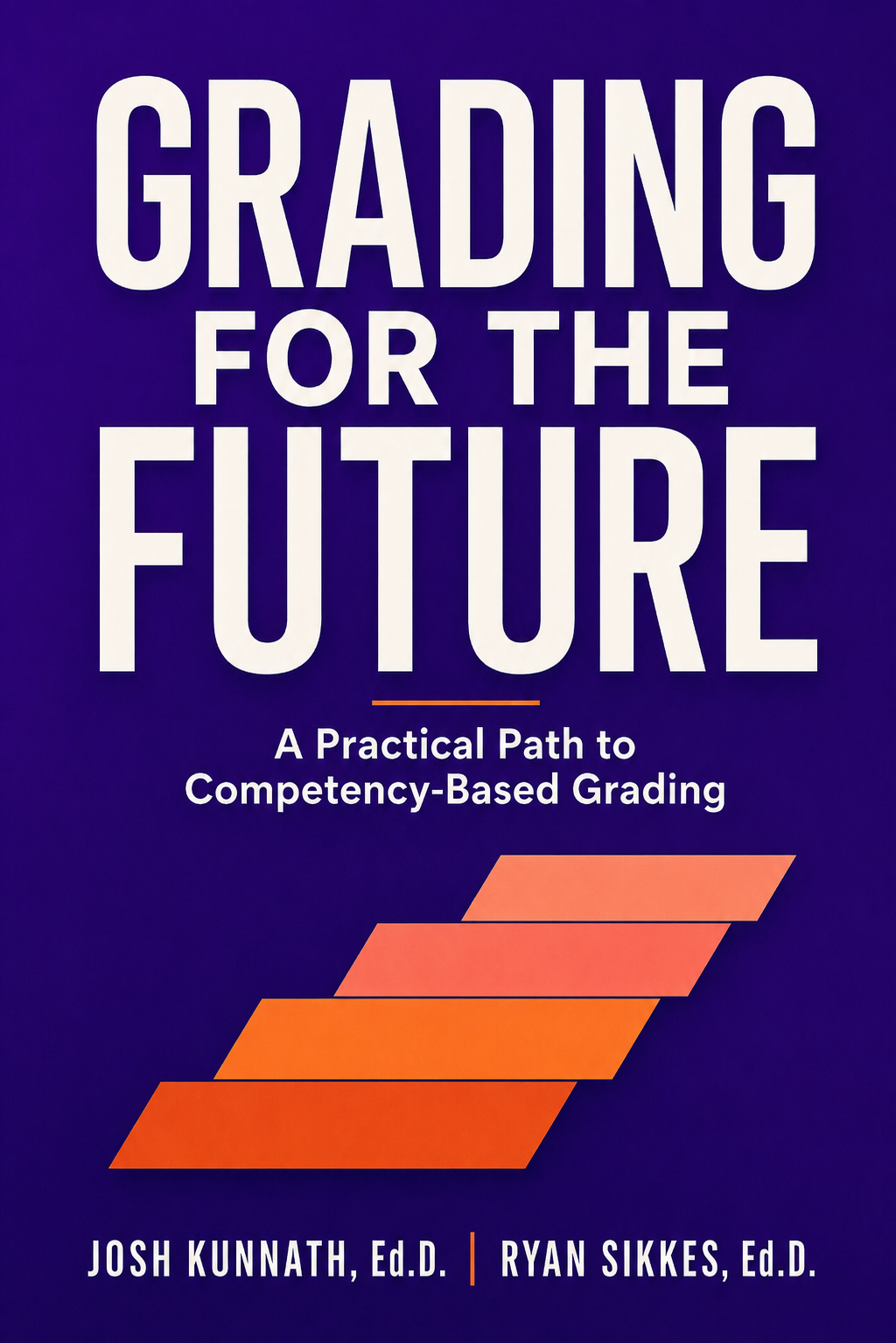
Grading for the Future: A Practical Path to Competency-Based Grading
Josh Kunnath, Ed.D. and Ryan Sikkes, Ed.D.
Resources
Let's Connect
Complete the form below and we’ll be in touch to create a solution that addresses your needs and achieves your goals in learning spaces.
Prefer to talk on the phone? No problem! You can give us a call at: 619-432-2673
This form is on the "Let's Connect" Section on the Homepage
"*" indicates required fields